

Last Updated on April 28, 2026 by angeladrake127
Vacation rental meal ideas are something that a lot of families don’t think about- after all, eating out is a big part of vacay life. But even families that love dining out might find themselves craving a night in or an easy “home-cooked” meal.
Picture this:
It’s 6pm on day two of your vacation rental stay. Everyone is sunburned and happy and starving. You’ve already eaten out twice since you arrived and spent more than you planned, your kid has rejected three restaurant menus, and the last thing anyone wants to do is get back in the car to find somewhere to eat.
This is exactly why you booked a place with a kitchen.
The good news: you don’t need a fully stocked professional kitchen, a lot of ingredients, or a complicated plan to make vacation rental cooking work. You need a few easy meals in your back pocket, a grocery run on arrival day, and realistic expectations about what “cooking on vacation” actually looks like.
This isn’t about making impressive meals – although you totally can, especially after you get used to vacation cooking limitations – think of it as one of the cooking show competitions 🙂 It’s about having a simple plan so dinner never becomes the stressful part of the trip — and so everyone is actually eating well while you’re away from home.
Plus, if you’re at all interested in saving money, a few simple home base eating options can result in huge savings.

Why cooking at your vacation rental is worth it
Let’s do the math quickly, because the numbers are pretty convincing.
A family of four eating out for every meal — breakfast, lunch, and dinner — can easily spend $150 to $200 a day on food. Over a seven-night trip, that’s $1,000 to $1,400 just on eating. Cook breakfast and lunch at the rental and eat out only for dinner, and that number drops significantly. Cook a few dinners too and you’ve saved hundreds of dollars without feeling like you sacrificed anything.
But the money isn’t even the best argument. The best argument is that eating out three times a day with kids is exhausting. Finding a restaurant everyone agrees on, waiting for a table, navigating a menu with a picky eater, keeping kids entertained while you wait for the food — multiply that by twenty-one meals and it stops feeling like vacation.
A few easy meals at home base means fewer decisions, less waiting, and at least a couple of evenings where everyone eats something they actually like and nobody has to perform patience in a restaurant.
For families with picky eaters especially, the vacation rental kitchen isn’t a nice-to-have. It’s the thing that makes the trip work.
Also? I enjoy dining out, believe me…but I also really like cooking for my family and knowing they’re getting high-quality, healthy-ish food cooked with love by me, at least for some of the meals.
Before you cook anything: the vacation rental kitchen reality check
Here’s something nobody tells you: vacation rental kitchens vary wildly. Some are genuinely well-equipped. Some have one dull knife, two pots from different decades, and a cutting board the size of a paperback book.
Before you plan any meals, do a quick kitchen audit when you arrive:
The five things that actually matter:
- A working stovetop with at least two burners
- One large pot (big enough for pasta)
- One decent pan
- A knife that’s actually sharp, or sharp enough
- A cutting board you’d actually use
If you have those five things, you can make almost everything on this list.
What to bring from home: A few small additions from your own kitchen can make a vacation rental kitchen feel much more workable:
- Your favorite spices in small bags or containers — rental kitchens almost never have good spices
- A cooking oil you like (olive oil, avocado oil — whatever you use at home)
- One good knife if you’re particular about it — a knife roll takes up almost no space in a bag
- Your kid’s specific brand of pasta or mac and cheese if they’re particular about it
Read the reviews before you rely on the kitchen: Past guests will tell you the truth about the kitchen in a way the listing photos won’t. Search the reviews for words like “kitchen,” “cooking,” and “stocked.” If nobody mentions the kitchen positively in a rental that claims to be well-equipped, that’s a signal worth paying attention to. If you have a specific question (like, “is there a blender?”), it might be worth checking with the host.
The vacation rental meal formula
Before we get to specific meal ideas, here’s the framework that makes vacation rental cooking sustainable without turning into a second job:
Breakfast: real food, minimal effort Vacation is not the time to let breakfast slide into sugar and nothing else. But it’s also not the time to spend an hour cooking. The sweet spot is real, nourishing food that doesn’t require much from you — eggs in various forms, fresh fruit, whole grain toast with good toppings, smoothies if the blender works. More on this below.
Lunch: build your own Deli meat or hummus, bread or wraps, cheese, fruit, cut vegetables, whatever your kids will eat. Set it out and let everyone build their own. This works for picky eaters because there’s no one dish to accept or reject — they just pick what they want. Zero cooking, easy cleanup, and lunch is done in ten minutes.
Dinner: one pan or one pot, when possible. This is the rule that saves vacation rental cooking. One pan or one pot means minimal prep, minimal cleanup, and minimal stress. If a dinner recipe requires more than one cooking vessel, plan accordingly or save it for home.
Stick to this framework and you’ll never feel like you’re working too hard in a kitchen that isn’t yours.
Vacation rental breakfast ideas — better than you’d think
Breakfast is worth putting a little thought into. It sets the energy for the whole day, and kids who start the morning with something real eat better and behave better for the rest of it. Here’s what actually works in a vacation rental kitchen:
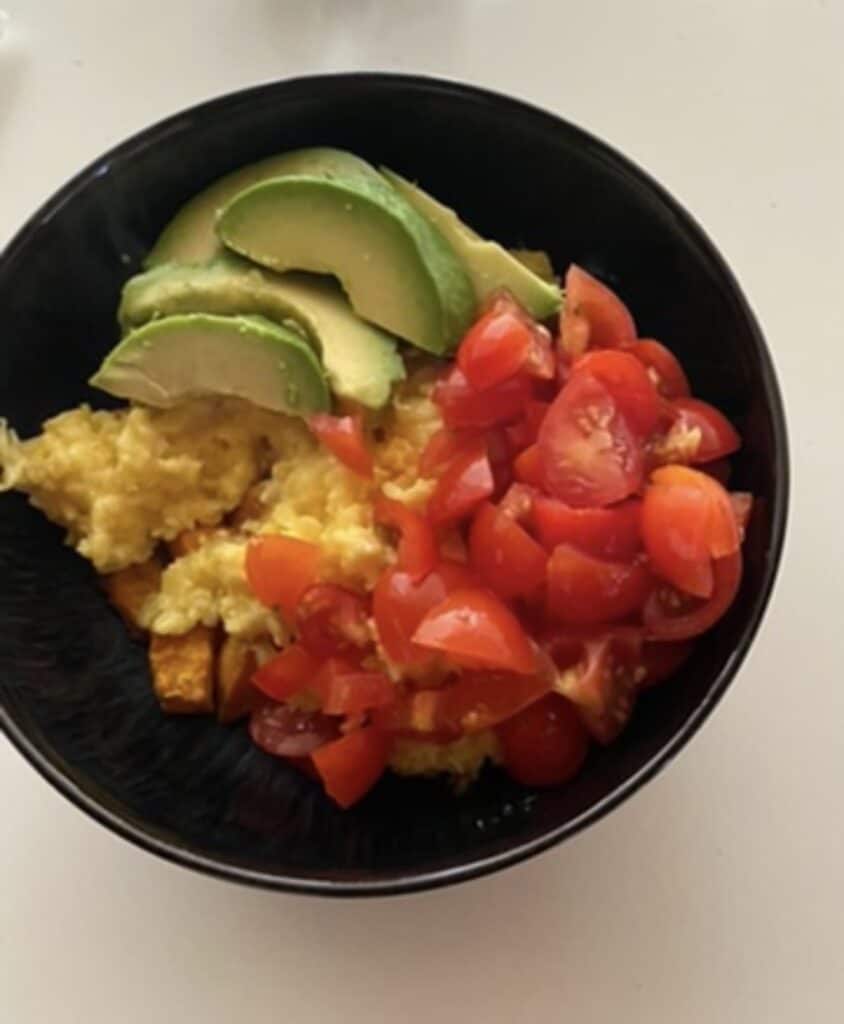
Eggs, every way Scrambled, fried, poached if the pot is deep enough, or baked in the oven in a muffin tin if you want to get creative. Eggs are inexpensive, high in protein, fast to cook, and endlessly versatile. Scramble them with whatever vegetables you have — cherry tomatoes, spinach, leftover roasted vegetables — and you have a genuinely nourishing breakfast in under ten minutes. For kids who won’t eat vegetables mixed in, cook them plain alongside.
Avocado toast Good bread, ripe avocado, a squeeze of lemon or lime if the rental has it, salt, red pepper flakes if your kids tolerate them. Add a fried egg on top and it’s a complete meal. This takes five minutes and feels like something you’d order at a café.
Greek yogurt parfaits Full-fat Greek yogurt layered with fresh fruit and a handful of granola or nuts. High in protein, no cooking required, and kids can assemble their own. Buy individual containers if the kids are particular about mixing, or buy a large tub and portion it out. Add honey if you want something slightly sweet.
Fresh fruit with nut butter Apple slices with almond butter, banana with peanut butter, or a full fruit plate with a nut butter dipping sauce on the side. Simple, nutritious, and works as a side alongside eggs or as a standalone for a lighter morning.
Smoothies If the rental has a blender — always worth checking — smoothies are one of the best vacation breakfasts for families. Frozen fruit (buy a bag at the grocery store), a banana, Greek yogurt or a handful of spinach, milk or a non-dairy alternative, and whatever else your family likes. Think dates, almond butter, coconut water – get creative! Blend, pour, done. Kids who won’t eat spinach in any other form will often drink it happily in a smoothie when it’s hidden under enough frozen mango.
Whole grain or sourdough toast with toppings Good bread is one of the most useful things you can buy at a vacation rental grocery run. Toast with nut butter and sliced banana, toast with avocado and a sprinkle of everything bagel seasoning, toast with ricotta and honey and fruit. A toaster is in almost every vacation rental kitchen and this breakfast scales to whatever toppings you have on hand.
Savory breakfast bowls Cook a batch of quinoa or brown rice the night before (or buy pre-cooked pouches), reheat in the morning, and top with a fried egg, some sautéed vegetables, avocado, and whatever sauce you have. This feels like something from a breakfast restaurant and takes about the same time as scrambled eggs once the grain is ready.
Veggie frittata If the rental has an oven-safe pan, a frittata is one of the best vacation breakfasts you can make. Sauté whatever vegetables you have in the pan, pour beaten eggs over the top, cook on the stovetop until mostly set, then finish under the broiler or in the oven. Slice and serve straight from the pan. It takes about twenty minutes, feeds everyone, and feels impressive without being complicated. Leftovers can go in the fridge for the next morning.
Easy vacation rental dinner ideas — the actual list
Stovetop dinners
Pasta with jarred sauce The ultimate vacation rental dinner. Boil pasta, heat jarred marinara, add whatever protein your family will eat — rotisserie chicken pulled apart and stirred in, white beans for a plant-based version, or just good parmesan on top. Done in twenty minutes, works for picky eaters, and the cleanup is one pot and one colander.
Ziggy’s version at our house: plain pasta with butter and parmesan. Every time. We’ve stopped fighting it and started just making two sauces.
Lentil and vegetable soup Buy a bag of red lentils — they cook faster than any other lentil and don’t need soaking. Sauté onion and garlic in a pot if the rental has them, add the lentils, a can of diced tomatoes, vegetable broth, and whatever spices you brought from home (cumin, smoked paprika, and turmeric work beautifully). Simmer for about twenty minutes. This is a complete protein, completely plant-based, genuinely filling, and costs almost nothing to make. Serve with bread for dipping.
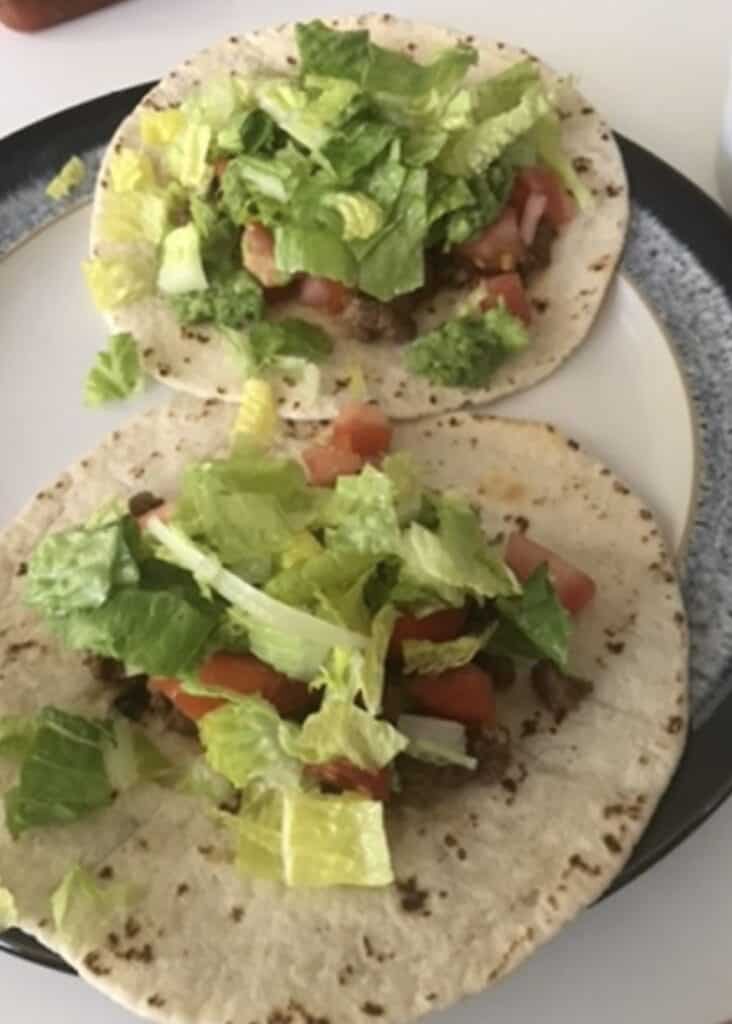
Tacos Buy a rotisserie chicken from the grocery store and shred it, or use seasoned black beans and roasted sweet potato for a vegan version that’s genuinely delicious. Warm tortillas, set out toppings, let everyone build their own. The build-your-own format is great for picky eaters because the components are separate and nobody is being asked to eat something mixed together.
Black bean quesadillas The universal fallback, with a nutritional upgrade. Mash black beans with a fork, spread on a tortilla with cheese (or skip cheese for a vegan version), fold and cook in a dry pan until golden. Add corn, spinach, or roasted peppers if your family will eat them. For the picky eaters: plain cheese quesadillas are a completely acceptable vacation dinner. We’ve served them more times than we can count.
Chickpea stir fry A can of drained chickpeas, a bag of pre-cut stir fry vegetables, sauce from a bottle (tamari, coconut aminos, or a stir fry sauce), served over rice cooked in the pot. One pan, fifteen minutes, completely plant-based and high in protein.
Shakshuka Eggs poached in spiced tomato sauce — sounds fancy, is genuinely easy. Open a can of crushed tomatoes, heat in a pan with olive oil, garlic if you have it, cumin, smoked paprika, and a pinch of chili flakes. Make small wells in the sauce and crack eggs directly in. Cover and cook until the whites are set but the yolks are still runny. Serve with good bread for scooping. This is one of those meals that looks like you tried much harder than you did.
Oven dinners
Sheet pan chicken thighs with vegetables Season chicken thighs (this is where your spices from home earn their place in the bag), add whatever vegetables you have on the pan — broccoli, cherry tomatoes, zucchini, sweet potato — roast at 400 degrees for about forty minutes. One pan, hands-off cooking time, cleanup is one sheet pan. This is the dinner to make on a night when you want to feel like you actually cooked something.
Sheet pan tofu and vegetables The plant-based version of the above. Press tofu if you have time, cut into cubes, toss with olive oil and spices, add to the sheet pan with vegetables. Roast at 400 degrees for about thirty-five minutes until the tofu is golden and slightly crispy at the edges. Serve over rice or with bread.
Baked potato bar Pierce potatoes, microwave or bake them, set out toppings: butter, sour cream, shredded cheese, broccoli, black beans, salsa. Everyone builds their own. Works for picky eaters for the same reason tacos do — the components are separate and the child is in control of what goes on their plate.
Stuffed bell peppers Halve bell peppers and fill with a mixture of cooked rice, black beans, corn, diced tomatoes, and spices. Top with cheese if you want. Bake at 375 degrees for about thirty minutes. Completely plant-based without the cheese, high in fiber and protein, and visually impressive for something that took about fifteen minutes of actual work.
Frozen pizza, elevated Buy a good-quality frozen pizza from the grocery store and add fresh toppings before it goes in the oven — fresh mozzarella, cherry tomatoes, arugula added after it comes out, a drizzle of olive oil. Takes five minutes of effort and produces something that feels significantly better than frozen pizza.
No-cooking-required dinners
Rotisserie chicken from the grocery store A rotisserie chicken from the deli section of any grocery store costs around eight to ten dollars, is already cooked, and can become a full dinner with a bag of salad, some bread, and whatever sides your family will eat. Pull it apart at the table, serve with simple sides, done. We use this on arrival day almost every trip.
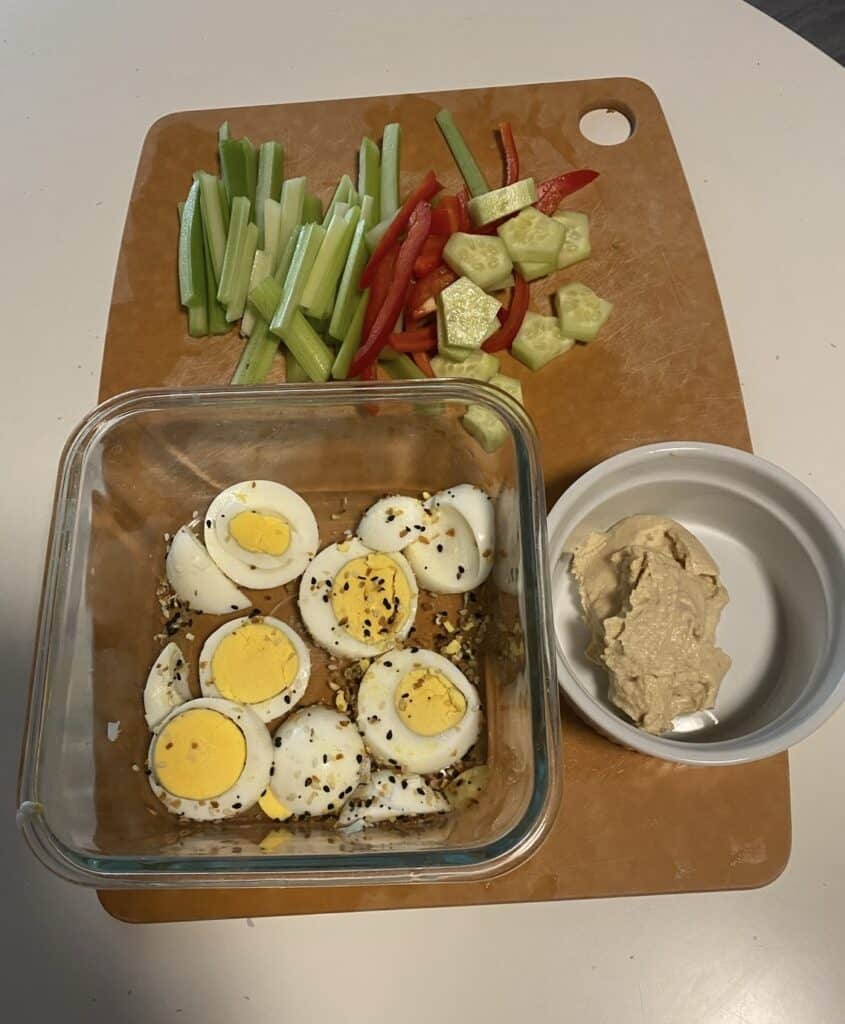
The deli and cheese spread Good cheese, hummus, olives, fresh vegetables for dipping, fruit, good bread or whole grain crackers. Arrange it on a cutting board or plate and call it a grazing dinner. This feels festive and low-effort in equal measure. Adults love it, kids can pick exactly what they want, and cleanup is putting things back in containers. This is our favorite first-night dinner on any trip.
White bean and avocado smash on toast Drain and rinse a can of white beans, mash with a fork with olive oil, lemon juice, garlic powder, salt and pepper. Spread thickly on good toasted bread and top with sliced avocado. Add cherry tomatoes or cucumber on the side. This sounds too simple to be dinner and then you make it and realize it absolutely is.
Sushi or prepared foods from a grocery deli Whole Foods, Publix, Wegmans, and most large grocery stores have a prepared food section with sushi, grain bowls, salads, and ready-to-eat meals. Pick up a variety, bring it back to the rental, eat it on the patio. Feels like takeout, costs less than a restaurant, zero dishes.
Mediterranean bowl — no cooking version Buy pre-made hummus, tabbouleh, stuffed grape leaves, pita bread, olives, and cucumber from the grocery store deli section. Arrange in bowls. This comes together in five minutes and feels like a proper meal. Completely plant-based and genuinely satisfying.
For picky eaters specifically
Mac and cheese, upgraded Your kid’s preferred brand, made properly, with some hidden nutrition stirred in. Add a spoonful of butternut squash purée (the pouches sold for babies work perfectly and are invisible once stirred in), or stir in some cream cheese for extra protein and creaminess. If they notice and object, plain mac and cheese is also fine. Pick your battles on vacation.
Grilled cheese and tomato soup Simple, universally accepted, and genuinely comforting. Butter, good bread, cheese, a pan. A carton of good tomato soup warmed on the stove. This dinner has saved more vacation evenings than we can count. Use whole grain bread if you can — most kids don’t notice and it’s a small win.
Plain pasta with butter and a side of something green We’ve stopped apologizing for this one. Plain pasta with butter is a completely acceptable picky eater dinner. Serve it alongside steamed broccoli, edamame from a bag, or cucumber slices — something green doesn’t have to be a battle if it’s just sitting on the plate, not mixed into anything.
Veggie quesadillas, assembled by the child Let the picky eater build their own quesadilla from available ingredients. Having control over what goes in often makes kids more willing to try things than if it arrived on the plate already assembled by someone else. Put out cheese, black beans, corn, and whatever vegetables you have and see what happens. Sometimes you’re surprised.
Grocery shopping for a vacation rental — how to do it without overbuying
Shop on arrival day, not before you leave home. You don’t know yet what the rental actually has in the cupboards. Many vacation rentals have cooking oil, basic condiments, salt and pepper, and sometimes more. Shop after you’ve done the kitchen audit so you’re not duplicating what’s already there.
Order ahead with grocery delivery. Schedule a delivery from Instacart, Walmart, or Amazon Fresh to arrive at the rental around the same time you do. Walking into a stocked kitchen on arrival day instead of heading straight to the grocery store is one of the best small upgrades you can make to any trip.
Scale your shopping to your actual trip length. Three nights and seven nights require very different grocery runs. Buy less than you think you need for short trips — you can always go back. For longer trips, buy staples in useful quantities but resist the urge to stock up like you’re at home. You’ll end up throwing things away on checkout day.
The staples list — what to grab on any trip:
Breakfast:
- Eggs
- Greek yogurt (full-fat)
- Fresh fruit — whatever looks good and is easy to eat
- Avocados
- Good bread
- Nut butter
- Frozen fruit for smoothies
- Coffee or tea
Lunch:
- Hummus and raw vegetables for dipping
- Good bread, wraps, or whole grain crackers
- Cheese and deli options
- Fruit
Dinner building blocks:
- Pasta and jarred sauce
- A can of crushed tomatoes and a can of chickpeas or lentils
- Rotisserie chicken (buy this fresh at the grocery store on arrival day)
- Eggs — useful for both breakfast and dinner
- A bag of salad
- Rice or pre-cooked grain pouches
Picky eater backup:
- Your kid’s preferred pasta or mac and cheese brand from home if they’re particular about it
- Familiar snacks
- Edamame — frozen bags steam in minutes and are accepted by a surprising number of picky eaters
- Whatever the one meal is that always gets eaten without complaint
How we actually do it
Every trip, we do a version of the same thing. Before we leave, I figure out what Ziggy will reliably eat and make sure we can get it wherever we’re going. On arrival day, we either pick up groceries on the way in or have them delivered. The first night is always something simple — the deli spread, rotisserie chicken, or pasta if that’s what sounds good.
From there, we loosely plan: breakfast and lunch at the rental every day, dinner out two or three nights, home-cooked dinner the rest of the time. We don’t stick to it rigidly — if we’re near a great seafood place at lunchtime we’re going — but having the loose plan means we’re never stuck making decisions when everyone is hungry and tired.
Snarf, our cat, travels with us on most trips and has his own version of this system. His food comes from home, his bowl goes in the kitchen, and within about twenty minutes of arriving anywhere he has fully claimed the space as his own. We could learn something from that.
The bottom line
Vacation rental cooking doesn’t have to be ambitious to be worth doing. A few easy meals, a grocery run on arrival day, and a loose plan for which nights you’re eating in versus eating out — that’s the whole system.
You’ll spend less money, make fewer stressful restaurant decisions, and have at least a few evenings where everyone eats something real in a space that’s starting to feel like home.
Looking for more? Grab our [family vacation rental grocery list] for a complete breakdown of what to buy by trip length, or head to our [home base guide] for everything you need to know about choosing and setting up your perfect family accommodation.